
The 50/50 Rule: A Simple Guide to Substituting Oil with Applesauce
Can You Really Swap Vegetable Oil for Applesauce? (My Experience & Tips)
Let’s be honest: we all love a warm, fudgy brownie or a blueberry muffin straight out of the oven. But what we don’t love is that heavy, greasy feeling (and the calorie count) that comes with all the vegetable oil those recipes usually call for.
A few years ago, I started experimenting with ways to make my baking a little "lighter" without making it taste like cardboard. That’s when I discovered the magic of applesauce. If you’ve ever wondered if you could cut down on fats and sugars without ruining your dessert, you’re in the right place. Here is everything I’ve learned about making the switch.

Why Applesauce Actually Works
It sounds a bit strange at first, putting fruit puree in a cake? But there’s actually some cool science behind it. Applesauce contains pectin, a natural fiber that mimics the way oil coats flour molecules. This keeps your bread and muffins moist and tender, even though you’ve slashed the fat content.
I’ve found it works best in "dense" bakes like:
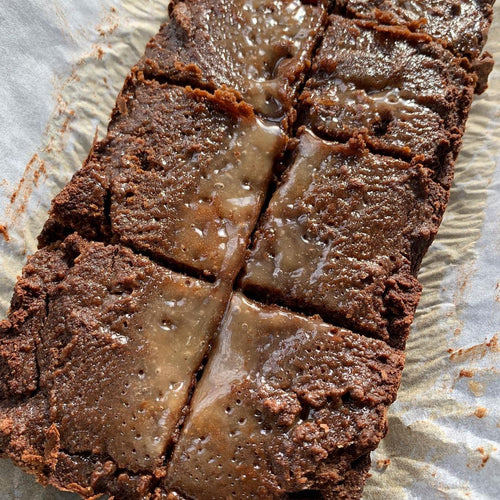
- Brownies (it makes them extra fudgy!)
- Quick breads (Banana or Zucchini bread)
-
Muffins and Applesauce cakes
How Much Should You Actually Swap?
This is where most people trip up. I don’t recommend swapping 100% of the oil on your first try. If you go "all in" immediately, the texture might turn out a bit too spongy or rubbery for your liking.

My "Transition" Strategy:
- The 50/50 Rule: If your recipe calls for 1 cup of oil, try using 1/2 cup of oil and 1/2 cup of applesauce. This keeps the moisture perfect while significantly cutting the calories.
- Start Small: If you’re nervous, start by replacing just 1/4 cup. As your taste buds get used to the slightly different texture, you can move up to a 1/2 or even 2/3 swap.
- Watch the Liquids: The ratio of wet to dry ingredients is sacred in baking. Too little liquid and your cake won't rise; too much, and it becomes a bubbly mess. Liquid measuring cups are your best friend here, don't try to wing it with dry scoops!
Choosing the Right Applesauce
Not all applesauce is created equal. If you're buying it from the store, always go for unsweetened. The sweetened versions or the ones with cinnamon can totally hijack the flavor of your recipe.
If you’re feeling adventurous, you can make your own! Just simmer some apples (I love a mix of Fuji and Granny Smith) with a splash of water, then puree.

- Pro-Tip: If your homemade sauce is too thick, whisk in a teaspoon of water until it looks like the store-bought consistency. And always, always let it cool before adding it to your batter. Adding hot sauce to raw eggs in a recipe is a recipe for disaster!
The Health Perks (The "Why" Behind the Swap)
Beyond just saving calories, switching to applesauce is a huge win for your body. Most vegetable oils are just "empty calories." They don’t bring much to the table other than fat.

Applesauce, on the other hand, brings fiber, Vitamin C, and antioxidants. Plus, it’s a great way to sneak some nutrients into snacks for kids. I’ve noticed that when I use applesauce, I don't get that "sugar crash" feeling quite as hard, and it’s a much kinder option for your heart and cholesterol levels.
My Final Takeaway
Swapping oil for applesauce is a low-cost, easy win for your kitchen. It might take a batch or two to find the exact ratio you love, but once you do, you’ll never look back.
Just remember the golden rule: If your recipe gives you a choice between butter or oil, choose the oil version for the best results with an applesauce swap.
Have you tried this before? Did your brownies come out amazing or a little "different"? Drop a comment below. I’d love to hear your baking wins (and fails)!